

Biostimulants: improving plant growth and health
In the modern world, where natural resources are under severe pressure, biostimulants play a key role in improving plant growth, increasing yields and maintaining ecological balance. They are actively used not only in agriculture but also in medicine. What is a biostimulant? Biostimulants are natural or synthetic compounds that stimulate physiological processes in living […]
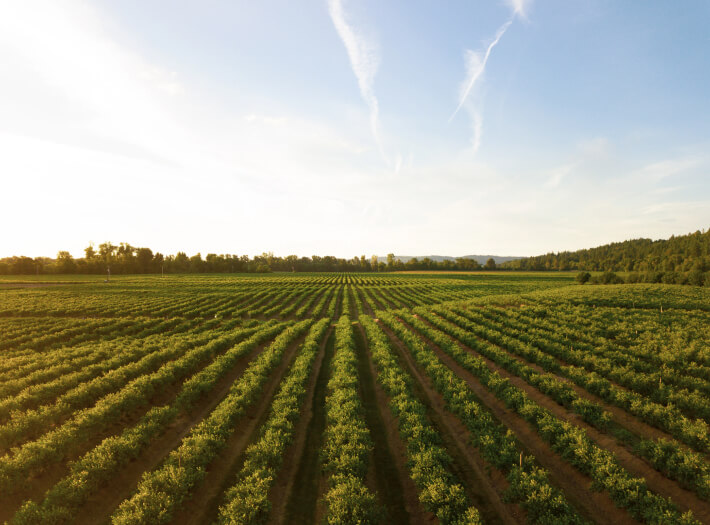
In the modern world, where natural resources are under severe pressure, biostimulants play a key role in improving plant growth, increasing yields and maintaining ecological balance. They are actively used not only in agriculture but also in medicine.
What is a biostimulant?
Biostimulants are natural or synthetic compounds that stimulate physiological processes in living organisms. In agriculture, they promote plant growth and development, boost immunity and improve stress tolerance, for example to drought, cold or soil salinity. In medicine, biostimulants are used to regenerate tissues, improve metabolism and strengthen the immune system.
The main types of biostimulants are
Plant-based biostimulants
Marine algal extracts, humic and fulvic acids.
They accelerate photosynthesis, stimulate root formation and improve nutrient uptake.
Microbial biostimulants
Contain beneficial micro-organisms that improve soil quality.
Examples are Rhizobium and Azotobacter bacteria.
Organic compounds
Amino acids, vitamins, antioxidants.
They are used not only to support plant health, but also animal and human health.
Synthetic biostimulants
Growth hormone derivatives (auxins, gibberellins, cytokinins).
Used to accelerate fruit ripening and improve fruit quality.
Benefits of biostimulants
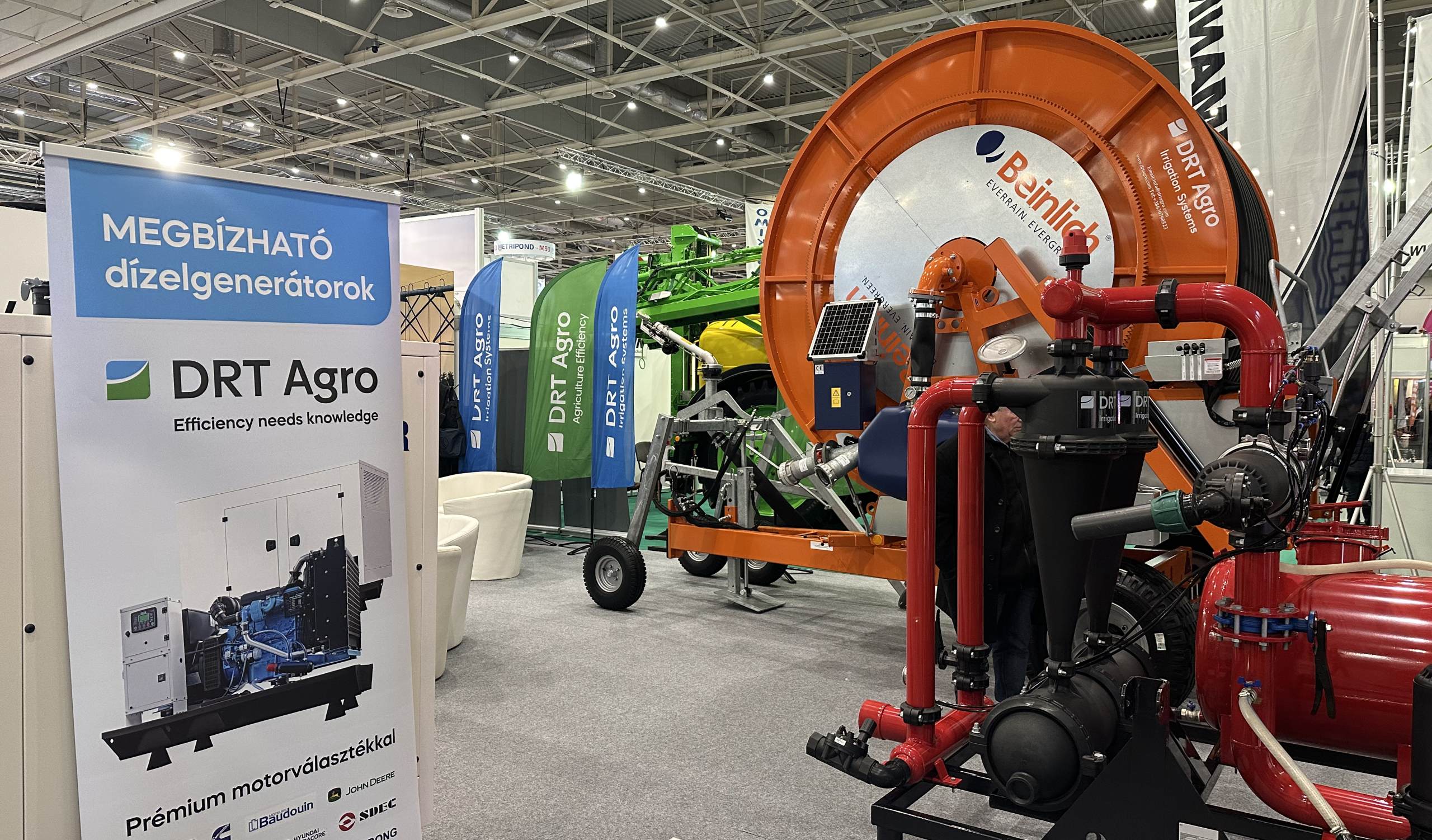
From 21 to 24 January 2026, DRT Agro participated in AGROmashEXPO 2026, held at the HUNGEXPO Exhibition and Congress Centre…
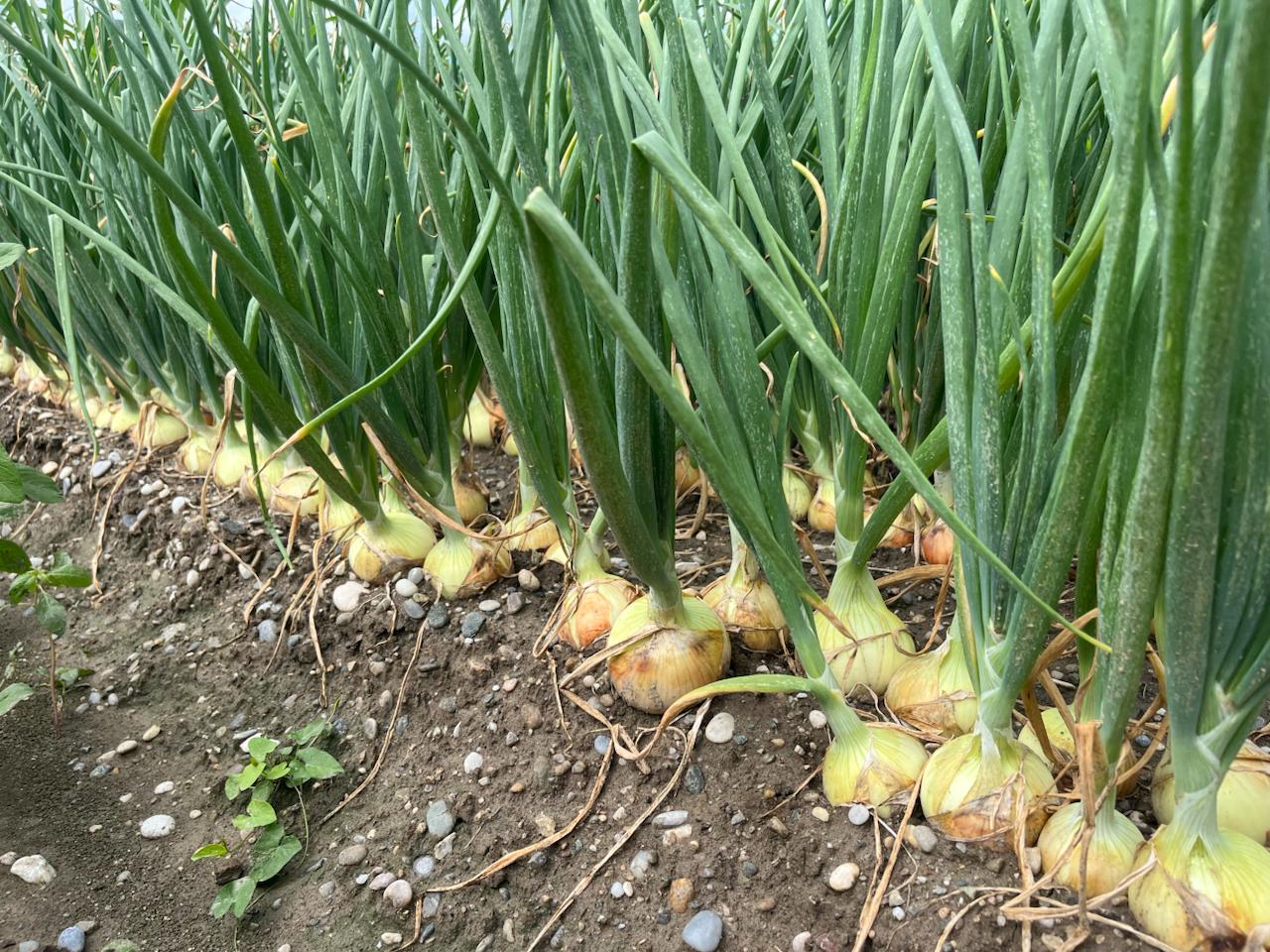
Introduction Onion is one of the most sensitive crops to fluctuations in water and nutrient supply. Due to its shallow…
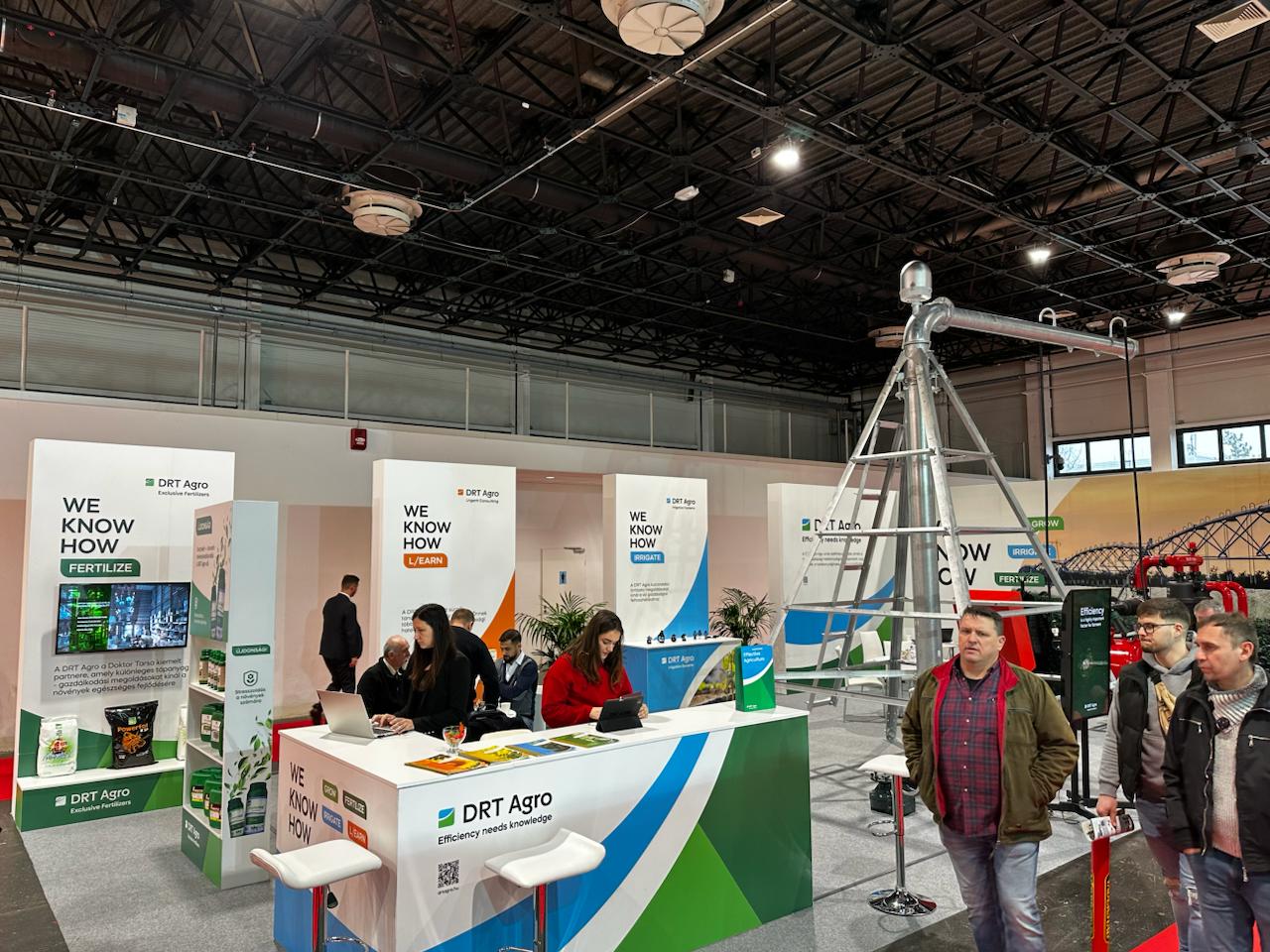
In January 2025, DRT Agro presented its solutions at AGROmashEXPO, one of the leading agricultural exhibitions in Central Europe. With…